
Dakimakura
Dakimakura
Overview
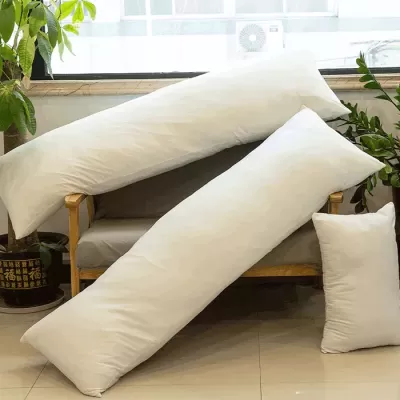
Dakimakura (Japanese: 抱き枕/だきまくら) is a large, huggable body pillow originating from Japan. Its name is a combination of the Japanese words "daki" (抱き, meaning to embrace or cling to) and "makura" (枕, meaning pillow), literally translating to "hugging pillow". While it can broadly refer to any large pillow that provides a sense of embrace (similar to a Western body pillow), in the context of modern popular culture, especially Otaku culture, Dakimakura typically refers to a complete system: a removable pillow cover (sham) usually printed with a life-size or near life-size image of a character (especially from ACG - Animation, Comics, Games), celebrity, or other specific design, and a slender inner pillow (core) designed to fit the cover.
The core function of Dakimakura extends beyond simple bedding; it is more a medium for emotional expression and connection. For enthusiasts, it provides a sense of virtual closeness with their favorite characters, satisfies collecting desires, and to some extent, offers physical comfort and psychological solace and security.
History and Origins
While large pillows for improving sleep comfort have long existed, modern Dakimakura printed with anime character designs, as a unique cultural product, have origins and popularity closely tied to the explosive growth of Japanese ACG culture in the 1990s. With the rise of the character economy, companies specializing in producing and selling anime merchandise (such as early well-known manufacturers like Cospa) began releasing body pillow covers printed with full-body images of popular characters. These products were initially disseminated through channels like anime magazine mail order, specialty stores, or doujin conventions. They quickly captured the fan base's desire for a deeper connection with virtual characters and gradually developed into a symbolic merchandise and collectible item within Otaku culture.
Dimensions
To simulate the experience of hugging a real person, Dakimakura dimensions are usually designed to be long and slender. There are two main standard sizes that are widely accepted and produced:
- 160 cm x 50 cm: Currently the most mainstream and universal size in the international market, it fits well with the height proportions of most adults.
- 150 cm x 50 cm: Also very common, especially in the early Japanese market or for specific user groups.
The width is generally fixed at around 50 cm, a width considered to provide a comfortable embrace. The choice of length is mainly based on providing a feeling close to "life-size". In addition to the standard sizes above, the market also offers:
- Larger sizes: Such as 170 cm x 50 cm, 180 cm x 60 cm, which offer a stronger presence but are relatively less common.
- Smaller sizes: Such as 120 cm x 40 cm, 100 cm x 35 cm, sometimes used as special event giveaways, targeting younger markets, or as a cost-saving option.
- Custom sizes: Non-standard sizes tailored to specific shapes (such as split-leg types) of inner pillows.
When purchasing, it is essential to ensure that the pillow cover and inner pillow match precisely in size to achieve the best visual effect and user experience.
Artwork and Poses
The most central appeal of Dakimakura lies in the exquisite printed artwork on the pillow cover, usually in a detailed Japanese anime or manga style. Its design features include:
- Double-sided design: The vast majority of Dakimakura covers are printed on both sides, typically with a front view of the character on one side and a back view on the other, providing a complete visual experience. Sometimes, the two sides display the character in different outfits, expressions, or states (e.g., awake vs. sleeping, casual vs. special attire).
- Pose diversity:
- Lying/Sleeping poses: The most classic and common poses, where characters are lying down, on their side, or curled up, creating a relaxed, tranquil, intimate, or inviting atmosphere for hugging.
- Casual/Relaxed: Characters may wear pajamas or casual home wear, showing a relaxed, unguarded side.
- Suggestive/Alluring: Characters may wear more revealing clothing (such as lingerie, swimsuits, torn clothes, etc.) or strike poses and expressions that are clearly sexually suggestive. This type of design often involves NSFW (Not Safe For Work) content and is a significant but also controversial part of Dakimakura culture.
- Character-specific poses: Unique poses designed based on a character's personality, abilities, famous scenes, or catchphrases.
- Interactive poses: Characters may gaze "forward" (towards the user), reach out a hand, blush, or make other expressions and gestures that invite interaction.
The artistic quality of the artwork, the choice of character, and the emotions conveyed by the pose are key factors determining the popularity of a Dakimakura. Additionally, the market includes officially licensed products and a large number of works created by doujin artists (independent artists), with the latter often being more daring and diverse in terms of themes and expression.
Materials
The material of the pillow cover directly determines its touch, visual luster, elasticity, color representation, and durability. Choosing different materials brings significantly different experiences:
- Peach Skin: An economical choice. The fabric surface has very fine short fuzz, is smooth to the touch, similar to peach skin, and does not easily reflect light. The printing color is acceptable, but the detail representation and elasticity are not as good as premium materials. Suitable for beginners or those with a limited budget.
- Plush / Fleece: Has a distinct fuzzy feel, is soft and warm to the touch, similar to plush toys. Suitable for autumn/winter or users who prefer a warm feel. The disadvantage is that the printing precision is usually relatively low, details may be blurred, and it is prone to attracting dust.
- 2-Way Tricot (2WT): Currently the most popular high-end mainstream material. Blended with polyester fiber and spandex, it has excellent two-way elasticity (stretches well horizontally and vertically), and the surface is extremely smooth, delicate, and has a certain sheen. The printed colors have high saturation and excellent precision, perfectly reproducing image details. It feels cool and silky, and has good fit. The price is relatively high.
- Improved / New 2-Way Tricot (e.g., New 2WT, Upgraded 2WT, Royal Tricot): Various fabrics improved upon standard 2WT, with different manufacturers or brands having specific names. They typically claim further improvements in softness, thickness, wear resistance, anti-pilling properties, drape, or printing effects, offering a more luxurious experience, and the price is often higher.
The choice of material mainly depends on personal budget, preference for touch and visual effects, and the usage environment.
Types
Besides the most basic rectangular double-sided pillow covers, Dakimakura have also developed various forms and functions to meet more segmented needs:
- Standard Pillow Cover: The standard, rectangular double-sided printed pillow cover that covers the entire inner pillow.
- Double-Layer Pillow Cover: May refer to designs with more complex structures, such as using thicker double-layer fabric, or serving as the basic structure for achieving the "removable" effect.
- Removable/Strippable Pillow Cover: Ingeniously designed, usually through hidden zippers, velcro, or snaps, allowing the user to "remove" the outer clothing pattern of the character, revealing another layer of pattern underneath (commonly lingerie, swimwear, or nude state). This type is highly interactive and fun, but the content often involves NSFW and requires attention to usage in public settings.
- Split-Leg Pillow Cover: Requires a specially designed "split-leg" inner pillow. The lower half of the pillow cover is divided into two independent leg sleeves, allowing the user to insert their legs into them to simulate a more fitted, ergonomic hugging posture.
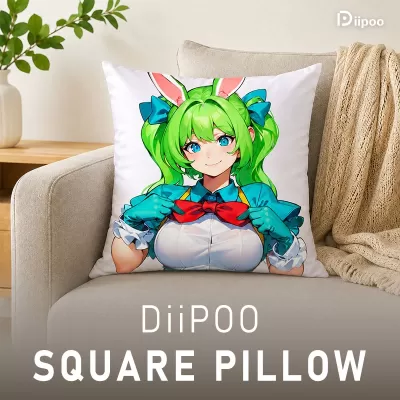
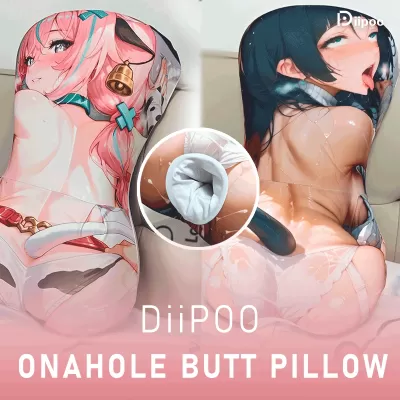
- 3D Dakimakura: Designs that pursue ultimate realism. Specific parts of the pillow cover (usually the character's chest or buttocks) are filled with silicone pads, slow-rebound sponges, or other soft fillers, or through special cutting and sewing techniques, these parts have a realistic three-dimensional shape and feel.
- Inflatable Dakimakura: The inner pillow part is an inflatable PVC or TPU air bladder instead of traditional cotton or fiber filling. The advantage is that it is small in volume when deflated, making it easy to carry and store, suitable for travel or limited space. The disadvantage is that the feel is significantly different from traditional inner pillows, and there may be a risk of air leakage.
Cultural Impact and Uses
As a highly symbolic cultural product, Dakimakura has spread from Japan's subculture circle to a global scale. Its uses and impacts include:
- Core Merchandise and Collection: For ACG enthusiasts, it is an important way to express love for characters and support original works/artists, and has high collection value.
- Emotional Support and Companionship: Provides users with a sense of virtual companionship, especially for those living alone or in need of emotional solace. The pillow can, to some extent, alleviate loneliness.
- Physical Comfort: Its size and shape can also provide good sleep support or physical comfort when hugging.
- Community Interaction: Owning and discussing Dakimakura (including characters, artists, materials, etc.) has become a form of social activity within specific enthusiast communities.
- Controversy and Stereotypes: Due to often being printed with sensual or even explicit designs and its close ties to "Otaku" culture, Dakimakura are often associated with negative labels by outsiders, such as sexualizing characters, objectification, social isolation, and escapism, becoming subjects of societal discussion and even stigmatization. However, for most users, their meaning is far more complex and personal than these stereotypes.
Cleaning and Care
Since Dakimakura covers usually use fine printing and relatively delicate fabrics, correct cleaning and care are essential for maintaining their appearance and extending their lifespan. The following steps are strongly recommended:
- Remove the pillow cover: Take the cover off the inner pillow. Inner pillows are generally not recommended for frequent washing. If necessary, refer to the inner pillow's own cleaning guide (usually spot cleaning or air drying).
- Hand wash is best: Hand washing is strongly recommended as it is the best way to protect the fabric and printed design.
- Prepare a basin of cold or lukewarm water (water temperature should not exceed 30-40°C; too hot can cause fading or fabric deformation).
- Add a small amount of neutral detergent (avoid using laundry powder/liquid containing bleach, fluorescent agents, or strong alkalis).
- Turn the pillow cover inside out (printed side facing inwards) and immerse it in the water.
- Gently press, knead, or swirl with your hands to let the water flow through the fibers and remove stains. Avoid vigorously rubbing, brushing, or wringing the printed areas. For particularly dirty spots, gently massage with your fingertips.
- Rinse thoroughly with clean water several times until no foam remains.
- Machine wash (use with caution): If machine washing is absolutely necessary, be sure to:
- Turn the pillow cover inside out.
- Place it in a large laundry bag to reduce friction and tangling.
- Select the delicate/gentle cycle or hand wash mode on your washing machine.
- Use cold water and neutral detergent.
- Absolutely do not use bleach.
- Select the lowest spin speed or skip the spin cycle.
- Remove excess water: After washing, do not wring out the pillow cover forcefully, as this will severely damage the fibers and printing. You can gently squeeze out some water with your hands, or lay the pillow cover flat on a clean large towel, then roll it up and press gently to let the towel absorb excess water.
- Drying:
- Smooth out the pillow cover to prevent wrinkles.
- Hang it on a hanger (preferably a wide-shouldered hanger or multiple hangers that can evenly support the weight) in a cool, well-ventilated place to air dry naturally.
- Absolutely avoid direct sunlight exposure, as UV rays will cause color fading and fabric aging.
- Do not use a dryer; high heat will severely damage the fabric and printing.
Through careful cleaning and care, you can maximize the preservation of the color, texture, and integrity of your beloved Dakimakura pillow cover.
Design your own dakimakura
Compare classic, split-leg, 3D and square formats, fabrics and inners on our custom body pillow guide, then upload your art.
Custom Body Pillow guide · Start customizing · Check size & bleed (free)