

Lycra Fabric
Lycra Fabric
Introduction
Lycra is a brand name for a synthetic elastane fiber known generically as spandex (in the United States) or elastane (in Europe and other regions). Owned by Invista (formerly part of DuPont), Lycra is renowned for its exceptional elasticity, allowing fabrics to stretch significantly and then recover to their original shape. It is rarely used alone but is blended with other natural or synthetic fibers like cotton, polyester, or nylon to add stretch, comfort, durability, and shape retention to a wide variety of garments and textile products. In the context of fan merchandise, Lycra blends are often used as a more cost-effective alternative to fabrics like span class="wiki-bold">2WAY tricot for the surface layer of products like 3D mouse pads.
History
The elastic fiber that would become known as Lycra was first successfully researched by the German company Bayer in 1937. Commercial production was later significantly advanced by the American company DuPont, which began manufacturing it on a large scale in 1959. Lycra is DuPont's (now owned by Invista) registered trademark for its spandex fiber.
Lycra distinguished itself from traditional elastic fibers (like rubber) by its remarkable stretch and recovery properties; it can stretch up to 500% of its original length and return to form. This allows fabrics containing Lycra to be easily stretched while still fitting closely to the body with minimal constraint. Lycra fiber gained a reputation as a "friendly" fiber because it is compatible with virtually any other fabric type, and its quality was widely recognized in the textile industry. The triangular hang tag indicating the use of Lycra became a symbol associated with high-quality elastic textiles.
Features
Lycra is valued for the properties it brings to blended fabrics, enhancing both comfort and performance:
- Exceptional Stretch and Recovery: This is its most notable feature. Lycra fibers can stretch up to 5-8 times their original length and return to their relaxed state without losing shape. This property significantly enhances the elasticity of any fabric it is blended with.
- Versatile Blending: Lycra can be successfully combined with a wide range of natural and synthetic fibers (such as cotton, wool, silk, polyester, nylon) without significantly altering the appearance or texture of the primary fabric. For example, blending Lycra with cotton provides the comfort and breathability of cotton while adding superior elasticity and shape retention. Wool blends gain better fit, drape, and washability.
- Shape Retention and Durability: Fabrics containing Lycra resist sagging, bagging, and stretching out over time, maintaining their original shape and extending the lifespan of garments. It is relatively strong and resistant to wear.
- Enhanced Comfort and Fit: Lycra allows garments to be comfortably close-fitting without feeling restrictive, providing freedom of movement and a secure, conforming fit that adapts to the body. This comfort is highly valued in modern apparel.
- Smooth Texture: Blending Lycra often results in a smooth surface finish, contributing to comfort and ease of movement.
- Good Drape: Fabrics containing Lycra often exhibit good drape, allowing them to flow and hang nicely, which influences the style and aesthetic of clothing.
- Lightweight: It adds significant stretch and recovery properties without adding substantial weight to the fabric.
Applications
Due to its elasticity and durability, Lycra blends are used across a vast range of textile products:
- Activewear and Sportswear: Leggings, sports bras, compression garments, and athletic tops widely use Lycra blends for flexibility and support.
- Swimwear: Its ability to stretch and recover is essential for the fit and comfort of swimsuits, and it holds up relatively well against chlorine and saltwater (though degradation can occur over time).
- Hosiery and Undergarments: Tights, stockings, and intimate apparel benefit from its stretch and shape retention.
- Apparel: Blended into jeans, dresses, tops, and many other clothing items to add comfort stretch, improve fit, and maintain shape.
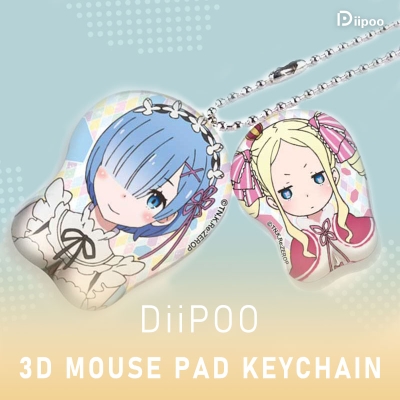
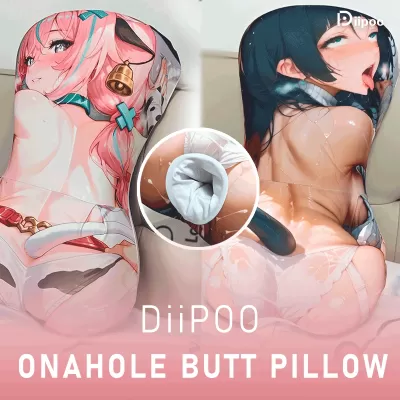
- 3D Mouse Pads: Lycra blends (often with polyester) are used as the surface fabric for some 3D mouse pads, including Oppai, Butt, and Life Size variants. While sometimes considered less soft or premium than 2WAY fabric for very high-end items or dakimakura, its durability, sufficient elasticity for 3D forms, and printability make it a common and practical choice, often at a lower cost.
Production Considerations
Lycra is typically produced as a filament and then spun into yarn, which is then knitted or woven together with other fibers.
- Blending: The percentage of Lycra in a fabric blend varies depending on the desired level of stretch and recovery. Common blends might range from 2% to over 20% Lycra.
- Knitting and Weaving: It can be incorporated into various knit structures (like jersey or tricot) and woven fabrics to add stretch properties.
- Printing: When blended primarily with synthetic fibers like polyester, fabrics containing Lycra are suitable for dye-sublimation printing, allowing for durable and detailed images.
Maintenance and Cleaning
Fabrics containing Lycra blends generally require care similar to their primary fiber component, with additional considerations for the elastic fibers:
- Cool or Warm Water: Wash in cool or warm water. Avoid hot water, as high heat can damage the Lycra fibers, leading to loss of elasticity.
- Mild Detergent: Use a mild detergent. Avoid bleach or fabric softeners, which can degrade the spandex over time.
- Gentle Cycle: Machine wash on a gentle cycle, potentially in a mesh bag, especially for delicate items.
- Air Drying Preferred: Tumble drying on low heat is possible, but air drying is generally recommended to preserve the elasticity and lifespan of the Lycra. Avoid direct high heat.
- Spot Cleaning (Mouse Pads): For mouse pads with gel/silicone filling, follow general fabric mousepad cleaning guidelines: gentle spot cleaning with minimal moisture over filler areas to avoid damage.
Disadvantages
Potential drawbacks of fabrics containing Lycra include:
- Heat Sensitivity: Like other elastane fibers, Lycra is susceptible to damage from high heat, which can cause it to lose elasticity and potentially yellow or become brittle.
- Degradation: Prolonged exposure to chlorine (in pool water) or sunlight can break down Lycra fibers over time.
- Cost (compared to basic synthetics): While often less expensive than premium fabrics like 2WAY, adding Lycra increases the cost compared to pure polyester or nylon fabrics.
- Less Premium Feel (compared to 2WAY): While smooth, Lycra blends may lack the specific very soft, 'skin-like' tactile quality associated with 2WAY fabric, which is highly valued in some niche fan merchandise.
Cultural Significance
Lycra has had a significant impact on the textile and fashion industries by enabling greater comfort, fit, and freedom of movement in clothing. Its introduction revolutionized activewear, swimwear, and hosiery, moving away from rigid fabrics towards more form-fitting and flexible options.
In niche markets like fan merchandise, Lycra blends (often polyester/Lycra) provide a balance of necessary properties – stretch, printability, durability, and cost – making them a common choice for items like 3D mouse pads, where conformity to shape and clear printing are important, alongside affordability compared to more specialized fabrics like 2WAY fabric. Its widespread use reflects its practicality and ability to deliver good results for various applications, including those requiring moderate stretch over 3D forms.