

Chibi Figures
Chibi Figures
Introduction
Chibi figures are a type of collectible figure characterized by a distinctive artistic style where characters are depicted in a simplified, child-like, or super deformed (SD) manner. The term "chibi" (ちび) is Japanese slang meaning "small" or "short," and this is reflected in the figures' exaggerated proportions, typically featuring a large head relative to a small body (often around 2-3 heads tall). Chibi figures prioritize cuteness and simplified features over realistic anatomical accuracy. They are immensely popular within anime, manga, and gaming fandoms and are produced based on characters from a vast array of media. They serve primarily as merchandise for display and collection.
- Introduction
- Origins and Style
- Characteristics
- Types and Formats
- Applications
Origins and Style
The chibi style in figures originates from the super deformed (SD) art style prevalent in Japanese manga and anime. Super deformed characters are intentionally drawn with exaggeratedly small bodies and large heads, often used for comedic effect, simplification in merchandise, or to emphasize cuteness. The chibi style is a subset or evolution of SD, focusing specifically on the endearing, small, and often child-like proportions. This artistic convention transitioned naturally into three-dimensional merchandise, allowing fans to own physical representations of their favorite characters in this appealing, stylized form.
Characteristics
Key characteristics define the chibi figure style:
- Exaggerated Proportions: The most notable feature is the significantly oversized head compared to the body, typically ranging from 1:1 to 1:2 head-to-body ratio in terms of height.
- Simplified Features: Anatomical details are simplified. Limbs are shorter and thicker, hands and feet are less defined, and facial features are often larger and more expressive, focusing on conveying emotion through large eyes and simple mouth shapes.
- Emphasis on Cuteness: The overall design prioritizes an endearing, small, and cute aesthetic.
- Compact Size: While proportions are exaggerated, the overall size of individual chibi figures is generally small, often ranging from a few centimeters to around 10-15 cm.
Types and Formats
Chibi figures are produced in various formats, ranging from static collectibles to poseable action figures and integrated merchandise:
- Static Figures: Many chibi figures are fixed in a specific pose, designed purely for display. These can range from small blind box figures to larger, more detailed static pieces.
- Poseable Figures: Some lines incorporate articulation, allowing collectors to change the figure's pose. A prominent example is the Nendoroid series by Good Smile Company, known for extensive articulation and interchangeable parts. Other lines like Kotobukiya's Cu-poche or Good Smile Company's Nendoroid Swacchao! also offer varying degrees of poseability.
- Trading Figures and Blind Boxes: Small, static chibi figures are frequently sold in sets or blind packaging, encouraging collectors to trade to complete a series.
- Prize Figures: Often found in arcade cranes or as lottery prizes, these are typically larger than trading figures and can be static or minimally poseable.
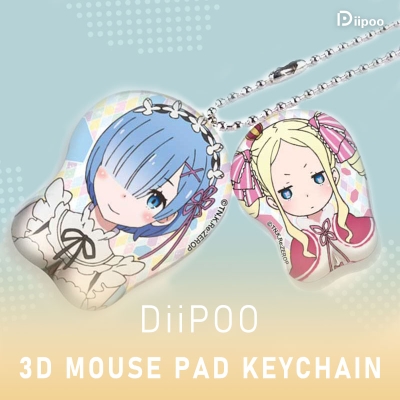
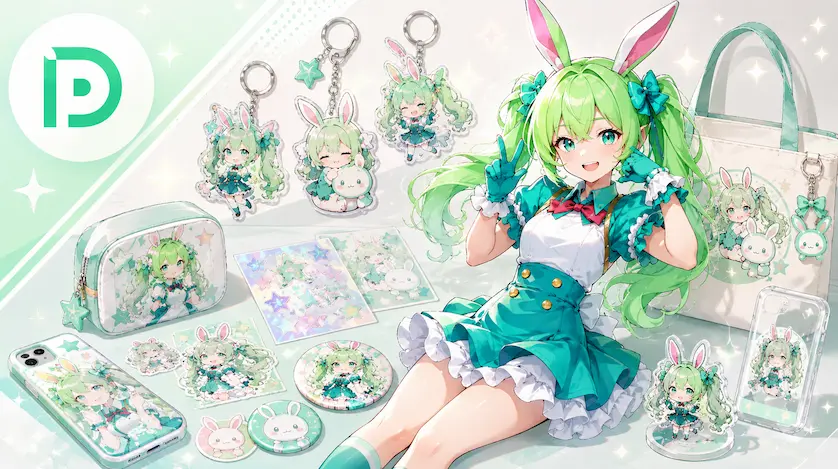
- Integrated Merchandise: The chibi style and figures are frequently used as elements of other merchandise, such as keychains, straps, charms, and static figures integrated into pens or other stationery.
Applications
Chibi figures are a ubiquitous type of merchandise within the anime, manga, and gaming industries:
- Collectible Figures: As standalone items for display on shelves, desks, etc.
- Merchandise Bundles: Often included as bonuses with limited editions of manga, anime Blu-rays/DVDs, or video games.
- Accessory Elements: Integrated into products like keychains, phone straps, zippers pulls, and stationery items.
- Promotional Items: Used as giveaways or promotional goods at events or in stores.