2WAY Fabric
2WAY Tricot Fabric
Introduction
2WAY Tricot Fabric, often simply referred to as 2WAY fabric, is a type of elastic knitted fabric known for its high stretchability in two primary directions (vertical and horizontal). It is distinguished by its fine weave, smooth texture, and excellent print quality when used with dye-sublimation printing. Originally developed for performance wear, its unique properties have made it exceptionally popular in the production of certain types of fan merchandise, particularly dakimakura (Japanese hug pillows) and 3D mouse pads.
Features
2WAY fabric is valued for several key characteristics that make it suitable for specific applications:
- High Elasticity: It stretches significantly in both the length (vertical) and width (horizontal) directions, allowing it to conform well to complex shapes, including three-dimensional forms.
- Smooth and Soft Texture: The fine knit creates a very smooth, soft surface, often described as having a 'skin-like' feel. It can feel cool to the touch initially, but can also provide warmth against the skin during prolonged contact. This tactile appeal is highly desirable for comfort and sensory experience.
- Excellent Printability: It accepts dye-sublimation printing exceptionally well, allowing for vibrant colors, high-resolution details, and durable printed images that resist fading and cracking.
- Good Drape: The fabric exhibits good drape, allowing it to flow and hang nicely, which is beneficial for products like pillow covers.
- Durability: Despite its stretch and softness, it is relatively durable and resistant to pilling compared to some other knit fabrics.
- Opacity: Good quality 2WAY fabric maintains relative opacity even when stretched, which is important for concealing the underlying pillow or filler.
Applications
Due to its unique combination of stretch, feel, and printability, 2WAY fabric is widely used in niche markets:
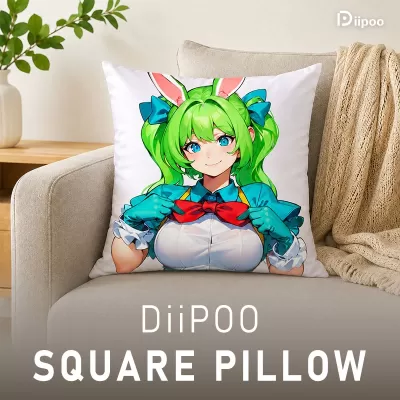
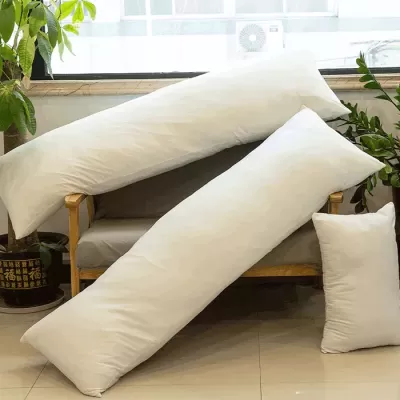
- Dakimakura Covers: This is perhaps the most well-known application, where its soft feel and ability to display high-quality, full-body character art are highly valued by collectors.
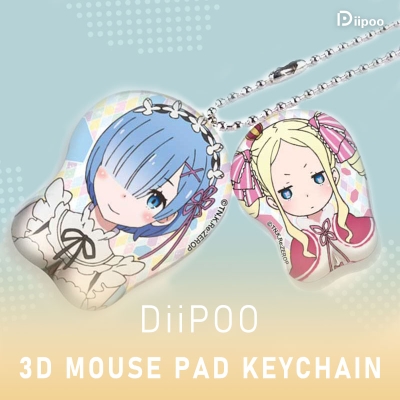
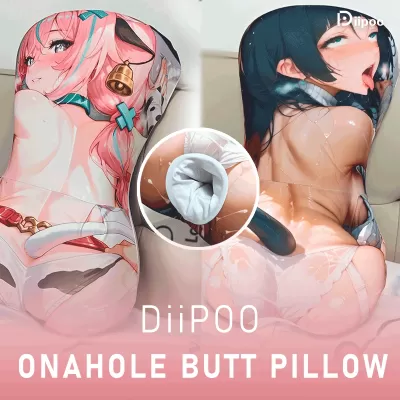
- 3D Mouse Pads: Used as the surface layer over the gel or silicone filler in products like Oppai mouse pads, Butt mouse pads, and Life Size mouse pads. Its stretch allows it to conform smoothly to the 3D shapes, and its print quality is essential for displaying character artwork accurately on these contours.
- Body Pillows and Cushions: General use in body pillows and decorative cushions where a smooth, stretchy cover is desired.
- Certain Apparel: Occasionally used in custom apparel or cosplay requiring significant stretch and high-quality printed designs.
Production Considerations
Working with 2WAY fabric, especially for products with complex shapes, requires specific manufacturing techniques:
- Dye-Sublimation Printing: This is the standard method for printing vibrant, detailed images onto 2WAY fabric. It involves printing the design onto transfer paper and then using heat and pressure to transfer the dye directly into the fabric fibers.
- Precision Alignment: For products like 3D mouse pads or shaped cushions, precisely aligning the printed artwork with the underlying 3D structure or mold is crucial during assembly.
- Handling Elasticity: The fabric's high stretch requires careful handling during cutting, sewing, and assembly to prevent distortion of the final product or artwork.
Maintenance and Cleaning
Products made with 2WAY fabric, particularly those with detailed prints, require careful cleaning to maintain their appearance and feel:
- Gentle Washing: Hand washing in cool water with mild detergent is often recommended. If machine washing, use a delicate cycle in a mesh laundry bag.
- Avoid Harsh Chemicals: Do not use bleach or strong cleaning agents, as these can damage the print and fabric fibers.
- Drying: Air drying or line drying is preferred. If using a dryer, use the lowest heat setting possible, as high heat can cause the fabric to lose elasticity or potentially melt/deform.
- Spot Cleaning: For surface dirt on mouse pads, gentle spot cleaning with a damp cloth and mild soap is advisable, avoiding saturation, especially over areas with gel/silicone filling.
Disadvantages
Despite its desirable features, 2WAY fabric has some potential drawbacks:
- Cost: It is generally more expensive to produce and purchase than simpler knit fabrics like standard Lycra or polyester blends. This contributes to higher end-product prices, particularly for large items.
- Sensitivity to Heat: High heat can damage the fibers, affecting elasticity and potentially the printed image.
- Delicate Handling: Requires careful handling during manufacturing and cleaning due to its elasticity and potential for snags or runs if mistreated.
Cultural Significance
Within otaku culture and specific fan communities, particularly those centered around anime, manga, and gaming, 2WAY fabric holds significant cultural importance. It has become the gold standard for high-quality dakimakura covers, which are prominent collectibles and comfort items.
Its ability to accurately reproduce detailed character artwork and its smooth, tactile feel (often described as simulating human skin) contribute directly to the appeal of character merchandise, including anatomical mouse pads. The fabric is synonymous with premium fan goods that prioritize both visual fidelity and tactile experience, reflecting the value placed on detailed and interactive merchandise within these subcultures.
References
- No source of content cited