



Plush Fabric
Plush Fabric
Introduction
Plush fabric is a soft textile distinguished by a dense pile of fibers on its surface. Known for its unique feel, excellent warmth, and varied appearance, it is widely used in stuffed toys, apparel, home decor, and more. Its defining characteristic is the raised layer of fibers, known as the pile, which gives it a soft, fuzzy, or velvety texture. Plush fabrics can be made from various fibers, both natural and synthetic, and their specific properties vary depending on the fiber content, pile height, and manufacturing method.
History
The history of plush fabric can be traced back to its production in the United States in 1903. Its development was significantly spurred by the demand for the widely loved Teddy Bear toy. Becoming popular during a period of global industrialization and increased incomes, plush is characterized by a unique pile weave that creates a dense, velvety surface. Initially crafted from natural fibers such as wool and mohair, its composition evolved to include synthetic materials, enhancing affordability and durability. Early examples of plush were similar to velvet but with a longer pile, often made from silk or cotton. The shift towards synthetic fibers in the 20th century made plush more accessible and versatile, leading to its widespread use in toys, home furnishings, and apparel.
Definition and Characteristics
Plush fabric, as its name implies, is a textile featuring a dense layer of fibers, known as the pile, on its surface. The pile is formed by loops or tufts of fiber that stand up from the base fabric. The height, density, and texture of this pile are the primary factors determining the fabric's specific feel and appearance, which can range from very short and smooth (like velvet) to long and shaggy (like faux fur).
The base structure of plush fabric can be either woven (where the pile is created during the weaving process) or knitted (where loops are formed during knitting and then cut). This base provides stability to the fabric.
The fibers used vary widely, encompassing natural materials like cotton, wool, and silk, as well as synthetic options such as polyester, acrylic, and rayon. Modern plush often incorporates synthetic fibers, which offer advantages like enhanced durability, ease of care, resistance to shrinkage and wrinkles, and cost-effectiveness. Plush is valued for its distinctive soft texture, warmth, and visual appeal, making it a versatile material suitable for numerous applications requiring comfort and aesthetic appeal.
Types
While the term "plush" broadly refers to fabrics with a pile surface, there are many specific types, often distinguished by their fiber content, pile length, construction method, and finishing. Some related fabrics, though technically distinct in construction, share a similar soft or fuzzy surface feel and are sometimes discussed alongside true plush fabrics:
Polar Fleece
Polar fleece is a soft, lightweight, and highly insulating synthetic fabric, typically made from polyester. It has a brushed, fuzzy texture on both sides, providing excellent warmth and comfort. While not a true pile fabric in the same sense as woven plush, its napped surface gives it a plush feel. It's commonly used for blankets, jackets, and outdoor wear.
Cotton Plush
Cotton plush is a version of plush fabric made from natural cotton fibers. It offers the familiar softness and comfort of plush while benefiting from cotton's breathability and hypoallergenic properties, making it ideal for baby items, stuffed animals, and bedding.
Faux Fur
Faux fur is a synthetic plush fabric designed to mimic the look and feel of animal fur, often featuring longer, denser piles compared to standard plush. It serves as a popular and ethical alternative to real fur and is widely used in fashion accessories, coats, collars, and home decor.
Felt
Felt is a dense, non-woven fabric created by matting and pressing fibers, typically wool or synthetics, together under heat and moisture. It has a smooth, non-fraying edge and a relatively flat, though sometimes slightly fuzzy, surface. While not a pile fabric, its soft feel leads it to be sometimes grouped with other soft textiles. It is commonly used for crafts, hats, sound dampening, and as a backing material.
Suede
Suede is a type of leather made from the underside of animal hides, which is buffed or sanded to create a soft, napped surface. This process raises short fibers to create a velvety texture. As a finished leather product rather than a textile woven or knitted from fibers, it is distinct from fabric-based plush, but shares the characteristic soft, fuzzy feel. It is frequently used in clothing, footwear, and upholstery.
Flannel
Flannel is a soft woven fabric, often made from cotton, wool, or a synthetic blend. It has a brushed, fuzzy surface (a nap) on one or both sides, providing added warmth and comfort. Like fleece, it's a napped fabric rather than a true pile fabric, but shares a similar soft feel. Flannel is a common choice for shirts, pajamas, bedding, and baby items.
Velvet
Velvet is a luxurious plush fabric characterized by a very short, dense pile of evenly cut fibers, resulting in an extremely smooth, soft, and lustrous surface with a distinct sheen and excellent drape. It can be made from various fibers, including silk, cotton, rayon, and synthetics. Velvet is a classic plush fabric often used in high-end fashion, formal wear, furniture, and home decor.
Chenille
Chenille is a fabric woven from chenille yarn. Chenille yarn itself is made by placing short lengths of fiber between two core yarns and twisting them together, creating a soft, fuzzy pile (like a caterpillar, hence the name). The resulting fabric offers a soft, slightly textured feel and is often used for blankets, throws, upholstery, and decorative pillows.
Velour
Velour is a knitted fabric with a cut pile, giving it a soft, plush surface similar in feel to velvet, but with inherent stretch due to its knit construction. It is typically made from cotton or polyester. Velour is frequently used for loungewear, activewear, apparel, and some types of upholstery.
Common Uses
Plush fabric's softness, warmth, and aesthetic appeal make it suitable for a wide variety of applications across different industries.
Plush Toys
Plush fabric is a primary material for creating stuffed toys, often referred to simply as "plushies." Different types of plush fabric are chosen based on the desired texture and appearance of the toy, ranging from short, smooth velour for a sleek look to long, shaggy faux fur for animalistic appearances. Its softness makes it ideal for toys that are meant to be hugged and handled.
Home Decor
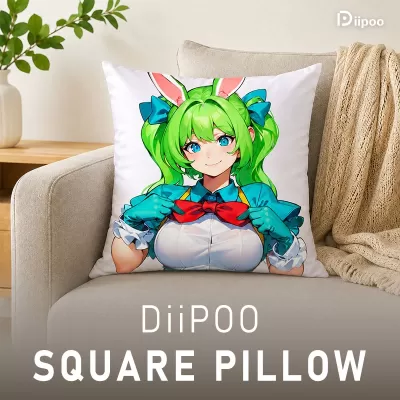
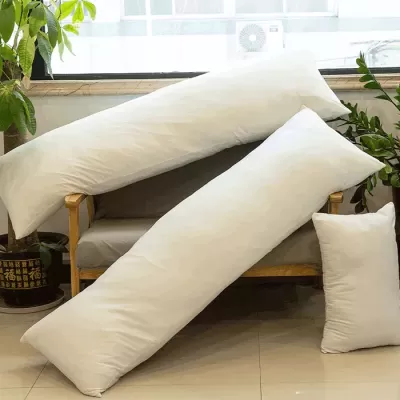
Plush fabrics are widely used for home decor items to add comfort, warmth, and a touch of luxury. Applications include cushion covers, dakimakura pillowcases, throw blankets, curtains, and upholstery for furniture like sofas and chairs. The varied textures of plush can add visual interest to interior design.
Apparel and Accessories
Due to its soft feel and insulating properties, plush fabric is often used in clothing and accessories. This includes items like pajamas, loungewear, robes, jacket linings, scarves, hats, gloves, and socks. Faux fur is particularly popular for fashion items like coats, vests, and trim.
Working with Plush Fabric
Handling and sewing plush fabric requires specific techniques due to its pile surface and potential stretch. When cutting, it is often recommended to cut from the back side to avoid shifting the pile and potentially using a sharp rotary cutter. When sewing, consider the pile direction to ensure a consistent look and feel. Using appropriate needles (like a universal or ballpoint for knits) and potentially adjusting tension or using a walking foot can help feed the fabric evenly and prevent stitches from getting lost in the pile. Dyeing, printing, or embroidering plush necessitates selecting appropriate methods and tools for the specific fiber content and pile type to avoid damaging the pile or affecting the desired outcome. Ironing and using adhesives should be approached cautiously, often using lower temperatures or working on the reverse side and potentially with a press cloth, to protect the surface fibers. For marking, use methods that won't crush or damage the pile, such as marking on the fabric's back or using specialized tools that part the fibers. Quilting plush may require thicker batting or specific techniques to accommodate the pile thickness.
Care and Maintenance
Cleaning methods for plush fabric depend significantly on its fiber content and the specific type of plush. Most synthetic plush (like polyester fleece or faux fur) can be machine washed; using a mild detergent, cold or warm water, and a gentle cycle is generally recommended. Washing larger items or those with internal stuffing (like plush toys) may require a commercial washing machine or hand washing. Larger plush items, such as upholstered furniture, typically require spot cleaning or professional cleaning services. Stains should be treated promptly using appropriate cleaning agents suitable for the fabric type, always testing first in an inconspicuous area. When cleaning microfiber plush, avoid fabric softeners as they can reduce absorbency and alter the feel. Plush items, especially toys and baby items, benefit from regular sanitization, which can be done with fabric sanitizers or appropriate heat treatment if the material allows. After cleaning, plush should generally be air-dried or tumble-dried on a low or no-heat setting, avoiding high temperatures and excessive friction (like aggressive tumbling) to help maintain the loft and softness of the pile. Brushing the pile gently after drying can also help restore its appearance.
References
- No referral content.
About Diipoo

We believe trust is the foundation of any good transaction. Diipoo specializes in creating custom products for the otaku community.
Email: [email protected]