





3D Mouse Pad
3D Mouse Pad
Overview
3D mousepads, also known as three-dimensional mousepads, are distinct from traditional flat mousepads. They feature physical raised sections (such as wrist rests) or incorporate visually three-dimensional patterns. These mousepads are designed to offer enhanced comfort, visual appeal, or specific functional support compared to their flat counterparts. By adding height, texture, or using special printing techniques on the surface or main body, 3D mousepads aim to provide extra functionality, comfort, visual attraction, or a sense of novelty. Their most common and recognizable form features an integrated wrist rest, particularly those molded to resemble specific human body parts (like chests or buttocks). While providing ergonomic wrist support, these designs often carry strong cultural or entertainment attributes, being especially popular in anime, gaming, and subcultural markets.
Contents
Types
The term "3D mousepad" covers a relatively broad range of products. Based on the source of their three-dimensional effect, they can be primarily divided into two main categories:
Structural 3D Mousepads
This refers to mousepads whose main body features actual, tactile physical raised structures. This structure is usually designed on the side closer to the user and primarily serves as a wrist rest, providing support while operating the mouse. The shape of these raised structures varies, from simple geometric forms to shapes imitating specific objects. A large number of mousepads designed to resemble human body parts found on the market fall into this category. The design of these mousepads often considers both ergonomics (to reduce wrist pressure) and aesthetic novelty.
Visual 3D Mousepads
For this type of mousepad, the physical surface is flat, and the "three-dimensional feel" comes from the printing technology used, such as lenticular printing. This technique makes the pattern appear to have depth or even exhibit animation when viewed from different angles. These mousepads primarily offer visual appeal rather than physical support. Although technically "3D," their function and market positioning are significantly different from structural 3D mousepads. The following sections of this article mainly focus on structural 3D mousepads that feature physical structures.
Examples of Specific Types
Structural 3D mousepads based on human anatomy are a major category in the market, including but not limited to:
Female Oppai Mousepads
An Oppai Mouse Pad (おっぱいマウスパッド), also known as a breast mouse pad. The wrist rest area is molded to simulate the appearance of a female chest, commonly filled with soft silicone or gel for a resilient and comfortable touch. These products come in various design styles, from realistic to highly stylized or animated character appearances. They are popular as merchandise among anime and gaming enthusiasts but have also sparked debate regarding the objectification of women.
Male Chest Mousepads
Serving as a counterpart or complement to female chest mousepads, some Male Chest Mousepads imitate the form of male chest muscles. The wrist rest is shaped like a developed male chest, also typically filled with silicone or gel. Though less common or widely discussed than female chest mousepads, they meet the demands of specific users or exist as a humorous expression of gender equality.
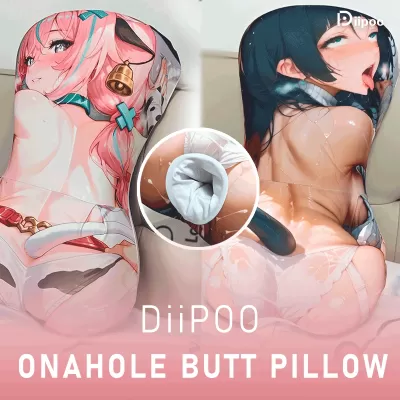
Butt Mousepads
Another type based on human form imitates the shape of buttocks. The wrist rest is molded into the curves of a rear end. This design is also commonly found in the anime/game merchandise market, sharing a similar positioning and cultural background with chest mousepads. The filling material is also typically silicone or gel.
Full-Body and Life-Size Mousepads
In some extreme or more novelty-focused designs, 3D mousepads imitating a larger portion or even the entire human body have appeared. Full-body 3D mousepads might involve the entire pad being shaped like a character or body part with a 3D structure. Life-size mousepads are a more radical concept, potentially referring to extremely large or near-human scale three-dimensional mousepads. While "life-size" isn't practical for actual mouse usage, it leans towards a marketing gimmick or a highly niche collectible. These types further blur the line between practicality and novelty, being more akin to collectibles or gag gifts.
Double-Layer 3D Mousepads
This is a unique type of mouse pad with two distinct layers. The top layer can be lifted or flipped open, allowing you to see the pattern printed on the inner layer underneath. This design is very popular for displaying different images. For example, a particularly popular setup involves printing an SFW (Safe For Work) image on the outer layer and an NSFW (Not Safe For Work) image on the inner layer, creating a fun 'reveal' effect when you open it. This combination is often considered ideal.
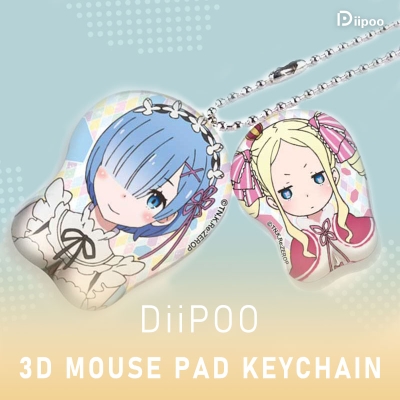
3D Mousepad Keychain
Check out this fun little accessory! It's a miniature version of a mousepad, complete with a cool 3D effect on its surface. Designed to hang from your keys, backpack, purse, or anywhere else you'd like to add a bit of personality. Just remember, due to its tiny size, it's meant purely as a decorative item and does not function as an actual mousepad!
Nipple Mouse Pads
This is a very distinctively designed type of mouse pad. Its most recognizable feature is its wrist rest, which instead of being a standard flat or simply curved shape, is sculpted to resemble a female breast, often including raised or detailed nipple representation. However, their primary draw is undeniably their unique and often novelty or adult-oriented appearance. Because of this specific design, they are generally considered a novelty item or specialty merchandise rather than standard office equipment, and are popular within certain niche communities, sometimes associated with anime, manga, or gaming culture.
Materials
The surface material of 3D mousepads, especially those with raised structures, significantly impacts feel and print quality. Common materials include:
- Lycra Fabric: Known for its elasticity and smooth surface, it provides good mouse glide. It's a popular choice for standard and ergonomic mousepads. As the cheapest fabric for 3D mouse pads, it is affordable, but the surface of the product will have a textured feel.
- 2WAY Fabric This material offers excellent elasticity and a very smooth, soft feel. It's often chosen for high-quality prints and specific types of 3D mousepads, providing vibrant colors and a pleasant touch.
Cultural Impact and Social Reception
Particularly human-form 3D mousepads have transcended being purely functional items to become cultural symbols with notable influence within specific communities:
Anime and Game Merchandise
These 3D mousepads are especially popular in the anime, manga, and gaming fandom markets. Many feature designs of popular characters, with specific body parts (like a female character's chest or a male character's chest muscles) designed as the 3D wrist rest. They are seen as a form of merchandise, a way for fans to express their affection for a particular character or work. This trend reflects the emotional projection onto virtual characters and the consumer demand for related goods within certain subcultures.
Controversy and Criticism
Despite their popularity in certain communities, human-form 3D mousepads, especially female chest mousepads, frequently attract controversy. Critics argue that such products contribute to the objectification of women and gender discrimination, reducing them to sexual objects. Using these mousepads in professional or public settings can be considered unprofessional, inappropriate, or even a subtle form of sexual harassment. Supporters or users might argue it's just harmless humor, artistic expression, personal preference, or affection for a fictional character, not warranting excessive interpretation. This controversy highlights the conflict between different cultural values and social norms regarding consumer product design and acceptance. Some countries or regions may have stricter regulations on the sale and distribution of such goods.
Production and Manufacturing
The production of structural 3D mousepads typically involves printing, mold forming, and assembly:
- Printing: The desired pattern is printed onto a suitable base material (like fabric or plastic).
- Mold Forming: Pre-made molds are used to inject or attach filling materials such as silicone or gel into specific locations on the base material to form the 3D raised structure. The quality of the filling material and the precision of the mold directly affect the wrist rest's shape, softness, and durability.
- Assembly: The printed surface layer, the 3D structure, and the anti-slip base layer are then bonded or heat-pressed together to complete the mousepad. For human-form 3D mousepads, mold design is crucial, requiring precise simulation of anatomical or artistic forms.
Features and Design
3D mousepad designs are diverse, but key features include:
- Ergonomic Support: Designed to support the natural curve of the wrist, reducing strain on the wrist and arm during prolonged use.
- Unique Visual Effect: The three-dimensional pattern or design makes them not just tools but also desktop decorations.
- Anti-Slip Base: Typically made from materials like natural rubber or PU to ensure the mousepad stays stable on the desk.
- Various Sizes and Shapes: Available from small standalone wrist rests to large full-sized pads, adapting to different users and desk spaces.
Buying and Usage Tips
When choosing a 3D mousepad, consumers can select based on their primary needs:
If the main goal is to reduce wrist fatigue, prioritize the wrist rest's material (silicone or gel are preferred), height, and shape to ensure they match your wrist curve and usage habits, along with the overall ergonomic design. Not all 3D mousepads provide effective ergonomic support, especially novelty products that focus more on form than function.
If you value appearance, design, or collecting merchandise, focus on the design, print quality, and whether it's officially licensed (if intellectual property is a concern).
Consider the usage environment: Using human-form 3D mousepads in a workplace or public setting might cause controversy; it is advisable to use them in private spaces.
Surface material: Different surface materials affect mouse movement smoothness and tracking accuracy. Choose based on your mouse type and personal preference.
Base anti-slip properties: Ensure the base has good anti-slip material to prevent sliding during use.
When using a 3D mousepad with a wrist rest, it's important to place the wrist rest under the heel of your palm to support the wrist, rather than pressing directly on the wrist joint. The wrist should be kept as straight as possible, avoiding excessive bending. Taking regular breaks and adjusting your posture are equally important for preventing repetitive strain injuries and carpal tunnel syndrome; the 3D mousepad serves only as an auxiliary tool.