
Oppai Mouse Pad
Introduction
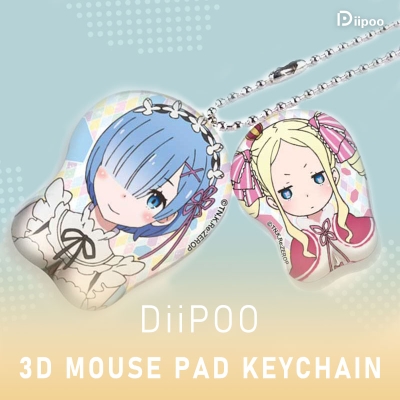
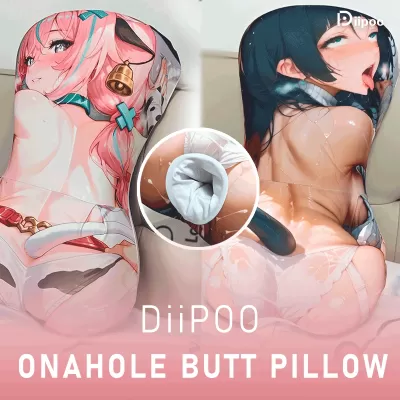
An Oppai Mouse Pad (おっぱいマウスパッド), also known as a breast mouse pad or humanoid chest mouse pad, is a type of 3D mouse pad characterized by raised wrist rests designed to resemble human breasts. These mouse pads often feature printed illustrations of anime, manga, or game characters, with the raised areas corresponding to the character's chest. While sometimes marketed with ergonomic claims due to the soft, raised support, their primary appeal and popularity are often linked to novelty, fan culture, and the visual aesthetics of the featured characters.
Production and Manufacturing
The production process for Oppai mouse pads is similar to other 3D mouse pads but focuses on creating the specific chest-like form for the wrist rests. It typically involves printing, mold forming, and assembly:
- Printing: High-resolution character artwork is printed onto a suitable fabric material, such as Lycra or 2WAY fabric. The positioning of the art is critical to align with the planned location of the 3D structure.
- Mold Forming: Specialized molds are used to create the distinct breast shape. Soft filling materials like silicone or gel are injected or formed within these molds onto the base material. The mold design and the quality of the filling determine the shape, size, firmness, and feel of the raised "chest" area.
- Assembly: The printed fabric surface layer (with the formed 3D structure), and an anti-slip base layer (usually rubber or PU) are bonded together, often through heat pressing or adhesive. Precise alignment during assembly is necessary to ensure the printed character's chest matches the physical 3D form.
Features and Design
Key features distinguishing Oppai mouse pads include:
- Unique 3D Wrist Rest: The defining feature is the anatomically or stylized shaped raised area, providing a soft rest for the user's wrist or palm.
- Character Art Integration: Almost always features illustrations, predominantly from anime, manga, visual novels, or video games, designed such that the 3D wrist rests visually align with the character's chest.
- Ergonomic Claim (Variable): While offering a soft cushion, the ergonomic benefit can be subjective and varies depending on the user and design. The primary function is often more about novelty and visual appeal.
- Material Feel: The choice of surface fabric (Lycra, 2WAY) and filling material (silicone, gel) significantly impacts the texture and softness of the wrist rest area.
- Anti-Slip Base: Standard feature to prevent the mouse pad from sliding during use.
Materials
The materials used in Oppai mouse pads contribute significantly to their visual appeal, feel, and durability. Key materials include:
- Surface Fabric:
- 莱卡布面 (Lycra Fabric): A common choice providing a smooth, elastic surface suitable for printing. It offers good mouse glide and is relatively durable.
- 2WAY布面 (2WAY Fabric): Often considered premium for this type of product. It has excellent elasticity and a very smooth, soft texture ("like skin"). It allows for vibrant, high-detail printing and is popular for designs where touch and visual fidelity are emphasized.
- Filling Material: Typically soft substances injected into the mold to form the 3D shape.
- Silicone Gel: Provides a soft, squishy, and often resilient cushion.
- PU Gel or Foam: Other types of soft fillers may be used.
- Base Material: Provides stability.
- Natural Rubber or PU: These materials offer good grip to prevent slipping on desks.
Cultural Significance and Reception
Oppai mouse pads originated in Japan, closely tied to the popularity of anime, manga, and related media. They are widely recognized novelty items within these fan communities and are frequently sold at conventions, specialty stores, and online retailers catering to otaku culture. Their existence reflects a blend of product design, fan service, and the market for character-themed merchandise.
However, these mouse pads can also be a subject of debate or controversy, particularly outside fan communities. They are sometimes criticized for potentially objectifying female characters or being deemed inappropriate for professional or public settings due to their explicit form. Despite this, they remain a popular and distinct category within the niche market of character goods.