

Sublimation Printing Process
Sublimation Printing Process
Introduction
The Sublimation Printing Process (also known as dye-sublimation printing) is a digital printing method for transferring images onto suitable materials using heat. It relies on the scientific process of sublimation, where heat and pressure are applied to a solid, turning it directly into a gas without passing through the liquid phase. In this printing process, specialized sublimation inks printed onto sublimation transfer paper turn into gas under heat and pressure from a heat press. This gas then permeates the surface of a polyester or polymer-coated substrate, bonding permanently with the material at a molecular level.
The result is a high-resolution, vibrant, full-color image that is embedded *into* the substrate rather than sitting on top of it. This makes the print extremely durable, resistant to fading, peeling, or cracking, and allows fabrics to remain breathable.
The Process Step-by-Step
Sublimation printing typically involves the following stages:
Design Creation: An image or design is created digitally using graphic design software.
Printing: The design is printed onto special sublimation transfer paper using a printer loaded with sublimation inks. Crucially, the image is usually printed as a mirror image.
Preparation: The printed transfer paper is carefully positioned onto the clean surface of the target substrate (e.g., a polyester T-shirt, a coated mug).
Heat Pressing: The substrate and transfer paper are placed into a heat press. Specific temperature (typically 350-400°F or 175-205°C), pressure, and time settings (varying by substrate) are applied. During this stage, the heat causes the sublimation ink to turn into a gas, and the pressure forces the gas into the opened pores of the polymer substrate.
Cooling and Transfer Completion: Once the time is complete, the item is removed from the heat press. As it cools, the ink solidifies and becomes permanently embedded within the polymer fibers. The transfer paper is then peeled away, revealing the vibrant print on the substrate.
Key Components
Successful sublimation printing requires specific equipment and materials:
Sublimation Printer: Often a modified inkjet printer (like certain Epson or Sawgrass models) designed or adapted to handle sublimation inks.
Sublimation Inks: Special heat-reactive dyes suspended in a liquid carrier.
Sublimation Paper: Coated paper designed to hold the ink during printing but release it efficiently as a gas under heat.
Heat Press: A machine that provides controlled heat and even pressure. Different types exist for flat items (shirts, tiles), mugs, caps, plates, etc.
Substrate: The item to be printed. Must be made of polyester (typically at least 60-100% polyester content for best results) or have a specialized polymer coating (for hard items like ceramics, metals, glass).
Design Software: For creating and manipulating digital artwork (e.g., Adobe Photoshop, Illustrator, CorelDRAW).
Optional Accessories: Heat-resistant tape (to hold paper in place), protective paper (like parchment or butcher paper to prevent ink bleed-through onto the press).
Scientific Principles
The process hinges on sublimation – the phase transition of a substance directly from a solid to a gas state, without passing through the liquid state. In this context:
The solid dye particles in the sublimation ink turn into gas when heated by the heat press.
Simultaneously, the heat causes the pores of the polyester or polymer coating on the substrate to open.
The gaseous dye permeates these open pores.
Upon cooling, the pores close, trapping the now-solidified ink permanently within the polymer structure.
This molecular bonding is why the print is so durable and integrated into the material.
Advantages
Sublimation printing offers several benefits:
Durability and Permanence: Prints are highly resistant to fading, scratching, peeling, and cracking, as the ink becomes part of the material.
Vibrant, High-Quality Images: Capable of producing continuous tones, gradients, and photographic-quality detail with a wide color gamut.
No Texture ("Hand"): Since the dye is infused into the substrate, the print cannot be felt on the surface, leaving fabrics soft and breathable.
Breathability on Fabrics: Ideal for performance apparel and sportswear as the print does not block the fabric's pores.
Full Coverage Printing: Allows for edge-to-edge designs, especially when printing on fabric pieces before sewing ("cut and sew" sublimation).
Limitations and Considerations
There are also limitations to consider:
Substrate Material Restriction: Primarily works only on polyester fabrics (or high-polyester blends) or items with a specific polymer coating. It does not work effectively on natural fibers like 100% cotton or silk without special pre-treatment.
Substrate Color Restriction: Best suited for white or very light-colored substrates. Sublimation inks are transparent, so the substrate color affects the final print color. It is not possible to print white ink using standard sublimation, thus designs needing white must rely on the white of the substrate showing through.
Cost: Initial setup costs for printers, inks, and heat presses can be significant compared to some other methods, though cost-per-print can be reasonable for certain applications.
Potential Issues: Requires precise control of temperature, time, and pressure to avoid issues like "ghosting" (faint double images), color shifts, or incomplete transfers.
UV Sensitivity: While generally durable, like many dyes, sublimation prints can eventually fade with prolonged, direct exposure to intense UV sunlight.
Common Applications
Sublimation printing is widely used for:
Apparel: Sportswear (jerseys, cycling kits, activewear), fashion T-shirts (polyester or poly-blends), swimwear, socks, neck gaiters.
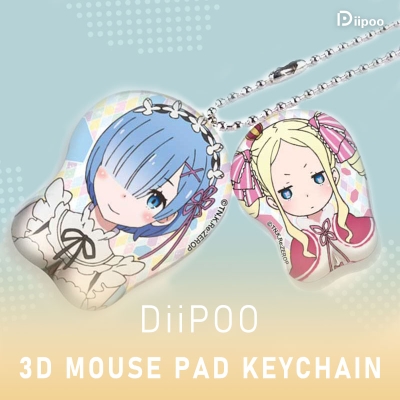
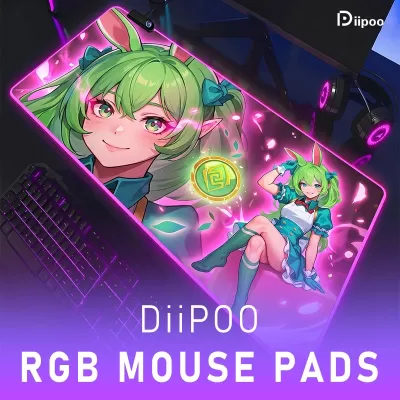
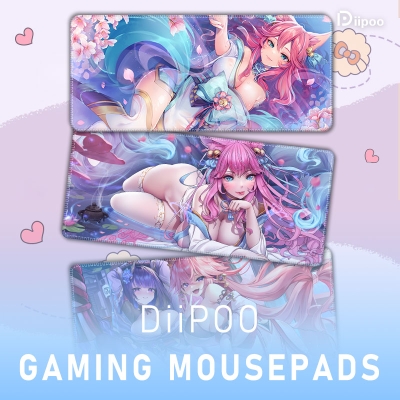
Home Goods & Decor: Custom mugs, coasters, mouse pads, pillows, blankets, towels, ceramic tiles, photo panels (metal or wood).
Signage and Displays: Fabric banners, flags, trade show displays ("soft signage").
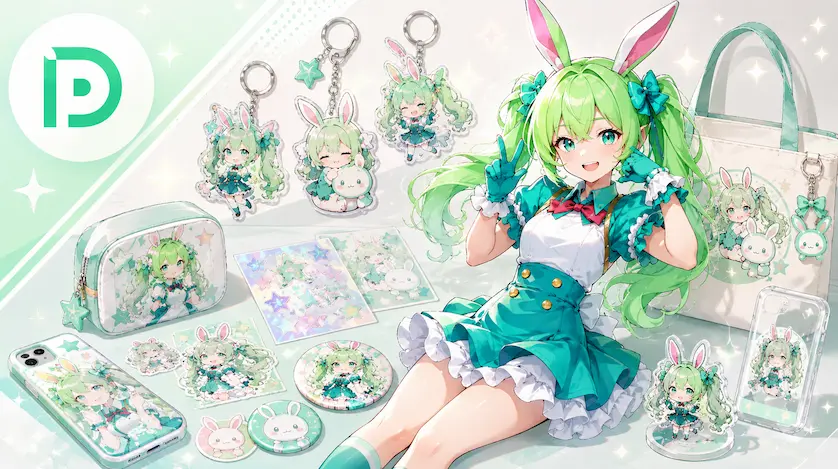
Promotional Products & Gifts: Keychains, phone cases, lanyards, personalized photo gifts, puzzles.
Comparison to Other Printing Methods
vs. Screen Printing: Screen printing uses opaque inks applied through stencils, good for bulk orders, simple designs, and printing on dark cotton. Sublimation excels at complex, full-color, photographic images on polyester with no feel.
vs. Direct-to-Garment (DTG): DTG prints directly onto cotton using specialized inkjet technology, good for complex designs on cotton shirts. Sublimation is primarily for polyester, offering superior permanence and breathability.
vs. Heat Transfer Vinyl (HTV): HTV involves cutting designs from vinyl sheets and heat-pressing them onto fabric. It creates a layer on top, suitable for simple graphics/text on various fabrics including darks. Sublimation integrates the dye into the fabric.