

Anime Badge
Certainly! Here is a professional Wikipedia-style article for "Anime Badge" in English, suitable for encyclopedia use, about 1500–2000 words, including structure, internal links, references, and styled HTML format. --- ```html
Anime Badge
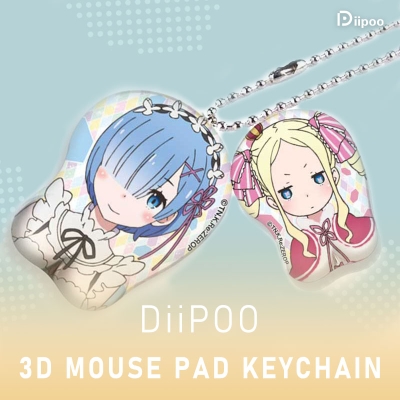
Anime badges, also known as anime pin badges or character badges, are collectible pins or badges featuring artwork related to anime, manga, or video games. They serve as decorative accessories and identity markers in the ACG (Anime, Comic, Game) subculture and fandom communities worldwide.
| Anime Badge | |
|---|---|
 Examples of typical anime badges |
|
| Purpose | Merchandise, fandom identity, decoration, collection |
| Common materials | Metal, acrylic, plastic, enamel |
| Main markets | Japan, China, Korea, Western countries |
| Cultural context | ACG fandom, conventions, doujin markets |
Definition and Characteristics
Anime badges are small pins or badges that feature the likenesses of characters, logos, or motifs from anime, manga, or related video games. Typically circular or custom-shaped, they are worn on clothing, bags, hats, or displayed as collectibles. They are often attached using butterfly clasps, safety pins, magnets, or clips. The designs emphasize iconic style and visual appeal tied to the fandom or franchise represented.
Origin and Development
The concept of anime badges arose alongside the popularization of Japanese television animation in the late 20th century. Early character merchandise included various small items distributed via magazines or promotional events, among which badges gained rapid popularity. The growth of doujin (self-published) culture and major conventions such as Comiket starting in the 1970s fostered a booming market for both official and fan-produced badges.
Over time, badges expanded from simple promotional giveaways to highly collectible merchandise, with official licensed products, fan-made "doujin" badges, limited editions, and collaborative event badges emerging as distinct categories.
Main Types
- Official badges: Produced by anime studios, publishers, or game companies, these feature licensed artwork and branding and are sold via official retail outlets or events.
- Doujin badges: Created by fans or independent artists, often sold at conventions or online platforms, representing original artwork or reinterpretations of popular characters.
- Limited edition/event badges: Issued for specific anime conventions, anniversaries, or brand collaborations, often encouraging collectors through exclusivity or unique packaging.
- DIY badges: Made by individuals using small-scale production or craft materials, popular among niche communities or casual fans.
- Digital anime badges: Virtual badges awarded within online communities or platforms to represent achievements, participation, or status in ACG fandoms.
Manufacturing Techniques
Anime badges employ a variety of production techniques:
- Enamel pins: Metal-based badges with recessed areas filled with colored enamel paints, valued for durability and vibrant colors.
- Acrylic badges: Printed designs sealed between layers of acrylic plastic, prized for clarity and lightness.
- Soft PVC/plastic badges: Molded, often lower cost, and suited for mass production or giveaway items.
- Die-cut shaped badges: Including character silhouettes, logos, and thematic shapes for aesthetic variety.
Backings include butterfly clasps, safety pins, magnetic fasteners, and clips designed for ease of wear and display.
Cultural Significance and Collecting
Anime badges function as visual tokens of personal identity and fandom allegiance. Fans collect, trade, and display badges as symbols of their favorite series or characters. Limited edition badges and artist-signed pieces can become valuable collector’s items. At conventions such as Comiket, Anime Expo, or ChinaJoy, badge trading is an active subculture, strengthening fan communities and creator-fan connections.
These badges also serve as social tools for self-expression, affiliation, and community bonding within the global ACG fandom. The popularity of "blind box" or mystery badge sales enhances the collectible appeal with elements of chance and surprise.
Modern Usage and Digital Evolution
With the advent of digital platforms, anime badges have extended into virtual realms. Websites, streaming platforms, and social media communities offer digital badges representing user achievements, contributions, or membership in fandom groups. Blockchain technology has been explored for creating provably limited digital collectible badges using NFTs (Non-Fungible Tokens), merging traditional collecting with new media.
In physical spaces, badges continue as staple merchandise items, event souvenirs, and creative outlets for fan art and expression. They are also employed by companies for promotional campaigns and by fans as cosplay accessories or identity markers.
See Also
References
- "Badge (Anime Goods) - Japanese Wikipedia." https://ja.wikipedia.org/wiki/バッジ_(公式用品)
- Zhihu Column. "Development and Impact of ACG Merch Culture." https://zhuanlan.zhihu.com/p/292522641
- Zhihu Column. "Production and Market Analysis of Anime Badges." https://zhuanlan.zhihu.com/p/99344224
- Bilibili Column. "Application and Value of Virtual Anime Badges in 2D Communities." https://www.bilibili.com/read/cv9539242/
``` --- If you want, I can also provide a plain Wikipedia wikicode or Markdown version for easier editing or import. Please let me know if you want any section expanded or more technical/market data included!