


Acrylic Keychain
Acrylic Keychain
Overview
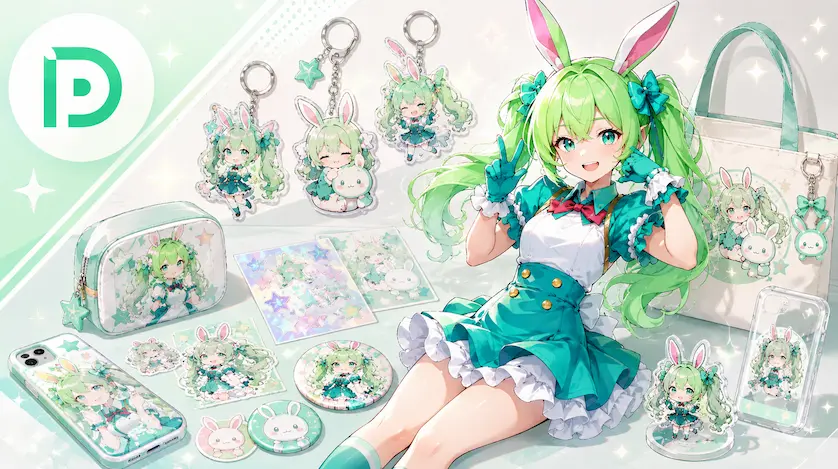
An acrylic keychain is a decorative or functional accessory made primarily from acrylic plastic (Polymethyl Methacrylate, PMMA). These keychains are popular for their versatility, durability, clarity, and ease of customization. They typically consist of a printed or engraved acrylic charm or pendant attached to a metal split ring, chain, or other finding, allowing them to be connected to keys, bags, zippers, or other items. Acrylic keychains are widely produced for various markets, including merchandise for media franchises (anime, games, movies), promotional items for businesses and events, souvenir products, and personal custom gifts. Their transparent or colored plastic composition makes them lightweight and allows for vibrant, detailed designs through various printing and cutting methods, most notably laser cutting for precise shapes.
History
The history of the acrylic keychain is tied to the development and widespread adoption of its primary material, acrylic plastic, and the evolution of keychains as accessories. Acrylic (PMMA) was developed in the early 20th century and became commercially viable in the 1930s. Initially used for practical applications like aircraft windows and lenses due to its clarity and durability, its ease of molding and coloring led to its use in various consumer goods after World War II. Keychains themselves evolved from simple rings to hold keys to decorative items, promotional tools, and personal statements over the 20th century. With the increasing availability and declining cost of acrylic, coupled with advancements in manufacturing techniques like injection molding and later, precise cutting methods such as laser cutting in the late 20th and early 21st centuries, acrylic became an increasingly popular material for creating diverse and complex keychain designs. Its suitability for printing and resistance to yellowing over time solidified its position as a favored material for visual merchandise and customizable items. The transition from bulky metal or hard rubber keychains to lightweight, vibrant acrylic versions marked a significant trend in the accessory market, particularly with the rise of fan culture and desire for personalized items.
Definition and Composition
An acrylic keychain typically consists of one or more pieces of acrylic plastic, forming the main charm or pendant. This acrylic piece is made from PMMA, a thermoplastic polymer synthesized from methyl methacrylate monomer. PMMA is valued for its optical clarity, high light transmission, and resistance to UV light, which helps maintain color vibrancy over time. Acrylic can be produced as cast or extruded sheets; cast acrylic is generally preferred for keychains due to its superior optical clarity, hardness, and better performance during laser cutting, resulting in smoother edges. The design is usually applied to the acrylic surface through various methods, such as direct-to-acrylic UV printing, screen printing, pad printing, or embedding a printed film between acrylic layers. Engraving is another method that creates a frosted or etched effect on the surface.
The adhesive layer, when used (e.g., for bonding printed films or multiple acrylic pieces), is a pressure-sensitive adhesive appropriate for plastics. A crucial component is the finding, which can range from a standard metal split ring to more elaborate swivel clasps, chains, or clips, typically attached via a small hole drilled or cut into the acrylic piece. Optional protective layers like clear vinyl film or a doming layer of clear epoxy resin or polyurethane are often applied over printed surfaces to prevent scratches, enhance durability, and provide a glossy, professional finish.
Materials
The primary material is acrylic plastic (PMMA). Its properties, such as optical clarity (often exceeding glass), rigidity, and impact resistance (though brittle compared to polycarbonate), make it suitable for this application. Acrylic is also relatively lightweight compared to metal, which is important for items carried daily. It resists yellowing from UV exposure better than some other plastics.
Inks used for printing must adhere well to the non-porous acrylic surface. UV-curable inks are popular as they cure instantly under UV light, forming a durable layer directly on the plastic. Adhesives must be strong enough for the intended use but ideally should not react with the acrylic itself, which can cause crazing or cracking. Metal findings are commonly steel (nickel-plated or stainless), brass, or zinc alloy, chosen for durability and corrosion resistance. Protective coatings, if applied, add resilience and a different tactile feel or visual effect (e.g., doming for a rounded, glossy look).
Manufacturing Process
The production of acrylic keychains is highly adaptable, allowing for both large-scale manufacturing and small-batch custom production.
- Design: Digital design software is used to create precise vector outlines for cutting and high-resolution raster images for printing.
- Material Preparation: Acrylic sheets of the desired thickness and color (clear, colored, frosted, glitter-infused) are prepared. Clear protective films are often kept on the sheets during printing to protect the surface.
- Printing/Engraving: The design is applied. Direct UV printing is a common method, where ink is deposited and cured layer by layer, allowing for textures or raised effects. For engraving, laser engravers etch the design into the acrylic surface.
- Cutting: Laser cutting is the most popular method for custom shapes. A laser beam cuts the acrylic precisely according to the vector outline. This method creates smooth, polished edges on cast acrylic, though extruded acrylic may have a less polished edge. Die-cutting is faster for very high volumes of simple shapes.
- Cleaning and Finishing: Cut pieces are cleaned to remove dust or residue. Protective films are peeled off. Edge polishing might be done for a clearer edge on thicker pieces or extruded acrylic.
- Protective Layer (Optional): Lamination or epoxy resin doming is applied if specified by the design. Doming involves carefully applying a liquid resin and allowing it to cure, forming a durable, transparent dome.
- Assembly: Metal findings are attached to the drilled or laser-cut hole in the acrylic charm. This step is often done manually, especially for complex designs or specific finding types.
- Packaging: Finished keychains are packaged for distribution or sale.
Types and Designs
The flexibility of acrylic and modern manufacturing allows for immense variety in acrylic keychains.
- Standard Charm Keychains: Single or double-sided printed or engraved acrylic pieces in custom shapes.
- Layered Keychains: Made by stacking and bonding multiple acrylic pieces, adding depth or allowing for layered effects and colors.
- Shaker Keychains: A cavity between two sealed acrylic pieces contains loose elements (glitter, liquid, small charms) that "shake" when moved. This requires precise sealing.
- Standees/Charms: Some designs are hybrids that can function as a keychain but also plug into a base to stand upright, popular in merchandise.
- Embedments: Glitter, dried flowers, photos, or other small objects can be embedded within the acrylic casting or sealed within a layered design.
- Functional Keychains: Incorporate additional functions, such as a bottle opener or a small tool, built into the acrylic design or attached alongside the acrylic piece.
- Findings Variety: Keychains can feature simple split rings, more secure lobster clasps, swivel hooks, colorful ball chains, or even webbing loops for attachment to bags or belts.
Properties
Beyond basic material characteristics, specific properties are relevant to acrylic keychains:
- Aesthetic Versatility: Achieves a wide range of visual effects, from transparent and glossy to matte, colored, or embedded with glitter. The sharp detail possible with laser cutting contributes significantly to design complexity.
- Print Durability: High-quality UV printing or protected layers ensure the design does not easily scratch, fade, or rub off with daily friction from keys or being in a bag.
- Weight: Their low density makes them a preferred material over metals when minimizing bulk or weight on a keychain or bag is desired.
- Breakage: While impact-resistant, acrylic can still snap or chip if subjected to significant force or bending, particularly at thinner points or attachment holes.
- Temperature Sensitivity: Acrylic has a relatively low melting point compared to other plastics and can deform if exposed to high heat, although this is rarely an issue under normal circumstances.
Applications
Acrylic keychains serve numerous purposes across various markets.
- Media Merchandise: Dominant in the market for fan goods related to anime, manga, video games, comics, and various fictional franchises, featuring characters, logos, and iconic items. Often sold at conventions, online stores, and specialty shops.
- Promotional Products: Businesses and organizations use custom keychains as affordable and visible promotional items for brand awareness, giveaways at trade shows, or corporate gifts. Schools, clubs, and non-profits also use them for promotion or fundraising.
- Tourism and Souvenirs: Feature designs related to specific locations, landmarks, or cultural themes, sold in gift shops as mementos for tourists.
- Personalized Gifts: Custom keychain services allow individuals to turn photos, artwork, or names into unique personal items or gifts.
- Art and Craft Market: Artists sell unique, handmade acrylic keychains featuring their original artwork through online platforms or craft fairs.
- Fashion Accessories: Used as decorative attachments for backpacks, handbags, pencil cases, or even clothing, adding a personalized touch or showcasing interests.
Advantages and Disadvantages
Summary of the key benefits and drawbacks of acrylic keychains in comparison to alternatives:
- Advantages:
- High degree of design freedom, allowing for complex shapes and vibrant, full-color printing.
- Excellent clarity and optical properties enhance printed artwork.
- Lightweight nature is user-friendly.
- Cost-effective for production, especially in moderate to large volumes, making them accessible merchandise.
- Relatively durable for typical daily use.
- Can be made with various finishes and special effects.
- Disadvantages:
- More prone to scratching than metal keychains.
- Can break or chip under significant physical stress or bending force.
- Some quality variations exist depending on the type of acrylic and manufacturing process used.
- Like most plastics, disposal raises environmental concerns, though acrylic is generally considered stable and less toxic than PVC when incinerated, and recycling is possible in some areas.
Environmental Considerations
While not biodegradable, acrylic (PMMA) is generally considered more environmentally stable than PVC. It does not contain chlorine like PVC, and when properly incinerated, it primarily burns into carbon dioxide and water. However, like other plastics, its production relies on petrochemicals, and improper disposal contributes to plastic waste. Recycling of PMMA is possible, but infrastructure varies by region, and it's often challenging to recycle small, mixed-material items like keychains (due to attached metal rings, adhesives, etc.). Some manufacturers are exploring the use of recycled acrylic or alternative bio-based plastics to mitigate environmental impact. Consumer awareness and responsible disposal practices are also factors in minimizing the environmental footprint of acrylic keychains.
Comparison with Other Materials
Comparing acrylic keychains to those made from other common materials highlights their position in the market. Metal keychains offer superior durability and perceived value but are heavier and often limited to engraving or simple color fills rather than complex graphics. Soft PVC or rubber keychains are flexible and tactile, often molded into shapes, suitable for cartoonish designs but with less fine detail for complex printed art and lacking the clarity of acrylic. Wood keychains provide a natural, lightweight option, often laser-engraved or printed, offering a rustic feel but less vibrancy in colors and less resistance to moisture than acrylic. Epoxy resin keychains can embed items and offer high clarity, often used for premium or handmade items, but may be more labor-intensive or expensive for complex shapes compared to laser-cut acrylic. Acrylic strikes a balance, offering good durability, clarity, lightweight design, and high customization at a relatively accessible price point, making it particularly well-suited for visually driven merchandise and promotional markets.